Air Conditioning and Indoor Air Quality in Large Commercial Buildings
In modern commercial buildings such as office complexes, business centers, and corporate facilities, air conditioning systems are no longer used solely for heating or cooling. Today, HVAC systems play a crucial role in maintaining healthy indoor air quality, thermal comfort, and energy efficiency. Indoor air quality directly affects employee health, productivity, and overall building sustainability.
Boxter, a company specialized in HVAC design and installation for residential and commercial buildings, approaches air conditioning systems holistically, integrating climate control, ventilation, filtration, and building automation into a single, efficient solution.
The Role of Air Conditioning in Large Commercial Facilities
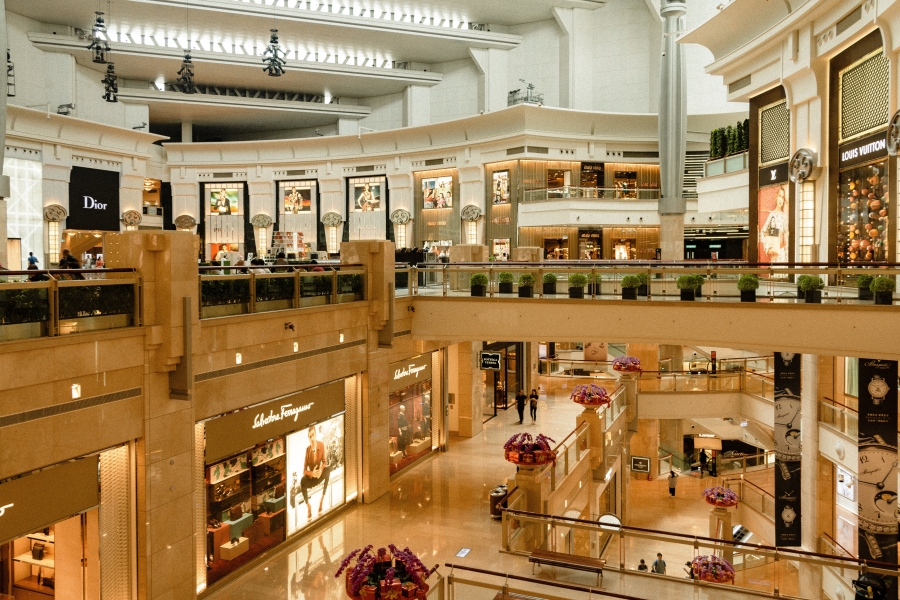
Large commercial buildings present specific challenges in HVAC system design. High occupancy rates, diverse space usage, extensive floor areas, and multi-story layouts require carefully engineered solutions.
Key characteristics of large commercial spaces
- Large open-space office areas with variable occupancy
- Meeting rooms and conference halls
- Common areas such as lobbies and corridors
- Technical and server rooms
- Different thermal requirements across zones and floors
Indoor Air Quality as a Core Element of a Healthy Workplace
Indoor Air Quality (IAQ) is one of the most important parameters in modern office buildings. Poor air quality can lead to reduced concentration, fatigue, headaches, and increased absenteeism.
Common indoor air pollutants in commercial buildings
- Elevated CO₂ levels due to high occupancy
- Particulate matter (PM10 and PM2.5)
- Emissions from furniture and construction materials
- Bacteria, viruses, and microorganisms
- Low or uncontrolled humidity levels
Ventilation and Fresh Air Supply
Controlled ventilation is one of the most important functions of HVAC systems in large commercial buildings. Air recirculation alone is insufficient for maintaining healthy indoor conditions.
Advantages of mechanical ventilation with heat recovery
- Continuous supply of fresh outdoor air
- Reduced CO₂ concentration
- Energy savings through heat recovery
- Stable indoor conditions year-round
Air Filtration in HVAC Systems
Air filtration is the first line of defense against indoor and outdoor pollutants. Multi-stage filtration is standard practice in commercial HVAC systems.
Common filter types used in commercial buildings
- Coarse filters (G4) – large particles
- Fine filters (F7–F9) – dust and pollen
- HEPA filters – high hygiene requirements
- Carbon filters – odor and gas removal
Automation and Smart Air Quality Management
Modern HVAC systems are integrated with Building Management Systems (BMS), enabling real-time monitoring and optimization.
Key features of smart HVAC solutions
- Real-time temperature and humidity monitoring
- Zone-based CO₂ control
- Automatic airflow adjustment
- Energy optimization and reduced operational costs
Conclusion
Air conditioning and indoor air quality are inseparable elements in large commercial buildings. Only professionally designed and properly installed HVAC systems can ensure a healthy, comfortable, and energy-efficient working environment.
Through an integrated approach to HVAC system design and installation, Boxter delivers reliable solutions tailored to modern commercial buildings, with a strong focus on sustainability and long-term performance.