
Proper regulation of hot water flow is crucial for maintaining optimal performance and energy efficiency in a heating system. Ancillary components play a vital role in controlling and adjusting the flow of hot water throughout the system. In this article, we will explore the importance of using ancillary components for hot water flow regulation.
Balancing valves are essential components used to regulate and balance the flow of hot water in a heating system. They are installed at strategic points within the piping network to control the flow rate and distribute hot water evenly to different zones or areas. Balancing valves help maintain the desired temperature and ensure uniform heat distribution, enhancing comfort and energy efficiency.
Control valves are used to modulate the flow of hot water based on specific requirements. They are equipped with actuators that allow precise control over the flow rate, allowing for adjustments based on heating demands. Control valves are commonly used in variable flow systems where flow rates need to be dynamically regulated to match varying heating loads.
Thermostatic radiator valves are individual valves installed on radiators or heating units. They provide localized control over the temperature in each space or room. TRVs sense the ambient temperature and adjust the flow of hot water accordingly to maintain the desired comfort level. By regulating the heat output of each radiator, TRVs contribute to energy savings and personalized temperature control.
Flow meters are used to measure and monitor the flow rate of hot water in a heating system. They provide valuable information about the systems performance, allowing for adjustments and optimizations. By tracking the flow rate, flow meters help identify potential issues such as blockages or imbalances and assist in maintaining the desired flow conditions.
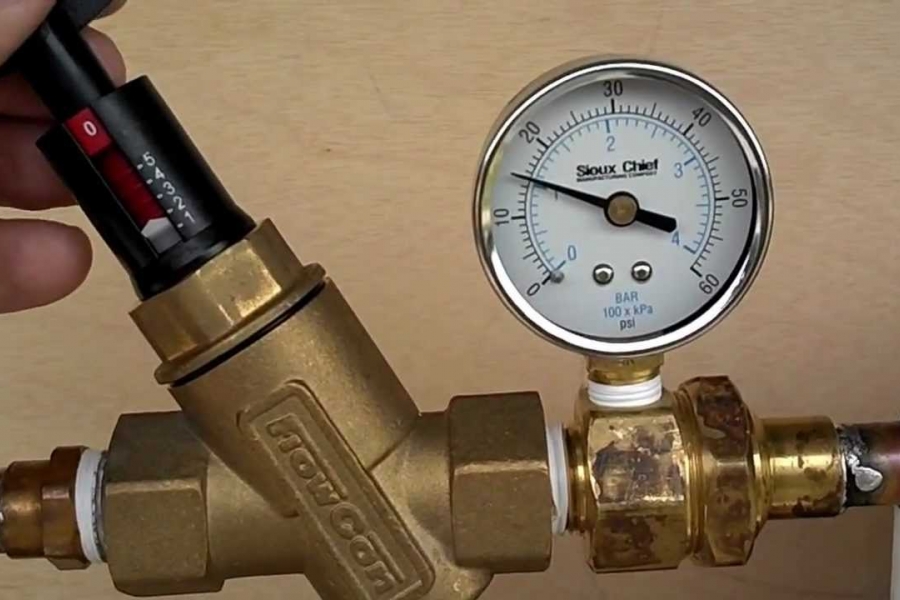
Pressure control devices, such as pressure-reducing valves and pressure relief valves, are crucial for maintaining proper pressure levels in a hot water system. They ensure that the system operates within safe limits and protect against excessive pressure that can lead to equipment damage or safety hazards. These devices help maintain a stable and efficient hot water flow throughout the system.
Temperature control devices, including thermostats and temperature sensors, play a vital role in regulating the hot water flow based on desired temperature settings. They provide feedback and enable the system to maintain the desired water temperature by adjusting the flow and controlling the heat source. Proper temperature control ensures optimal comfort and energy efficiency.
By utilizing these ancillary components for hot water flow regulation, a heating system can achieve efficient operation, balanced heat distribution, and personalized temperature control. It is essential to consider the specific needs of the system and consult with professionals for the proper selection and installation of these components.

Latest Trends in Air Conditioning System Design for Boutiques Latest Trends in Air Conditioning System Design for Boutiques Why is air condi...
More

Quality Ventilation for Fresh Air Circulation in Restaurants Restaurants are vibrant spaces where guests come to enjoy delicious meals and create las...
More

Shopping centers are complex facilities that require a special approach when selecting an optimal heating system. Efficiency, comfort, and sustainabil...
More